Cleanup and mud removal service after a flood
After a flood many homes and shops need mud removed, drying and disinfecting before they can be used again. It is physical work with demand concentrated in the following weeks.
Severe thunderstorms don't get a name, they don't make the front page, and that's exactly why they're underestimated. They've caused week-long blackouts and losses on the scale of a major hurricane. Here is the official threshold that defines them, the lightning rule that actually works, and why moving water is more dangerous than it looks.
Updated on September 9, 2026
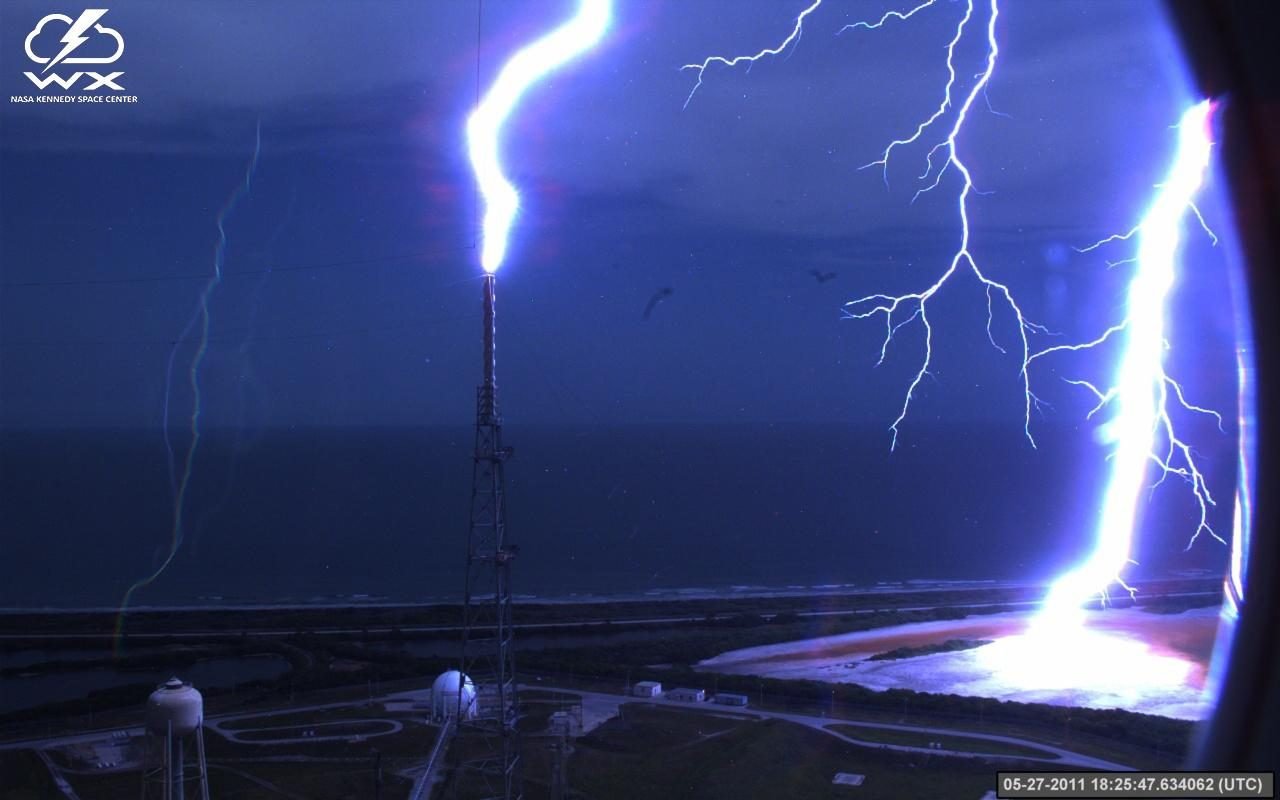
What officially counts as a severe thunderstorm. The National Weather Service uses a specific threshold: hail at least 1 inch (2.5 cm) in diameter —about the size of a quarter— or wind gusts of at least 58 mph (93 km/h). Wind of 40 mph or half-inch hail is classified as "near severe." It doesn't take a hurricane to tear off a roof.
A family plan is not a pretty document: it is a handful of agreements made today, while everyone is calm, so you do not have to decide with your heart racing and no signal on your phone. It takes one conversation over the table and fits on a sheet of paper stuck to the refrigerator.
This is the section that decides who has a hard time and who has a dangerously hard time. An emergency does not suspend diabetes, high blood pressure, pregnancy, or dependence on an oxygen concentrator: what gets cut off is access to the pharmacy, the clinic, and electricity. Everything that follows needs to be prepared beforehand, because once the emergency hits, there is no more room.
After a flood many homes and shops need mud removed, drying and disinfecting before they can be used again. It is physical work with demand concentrated in the following weeks.
When household budgets tighten, many people repair instead of replacing. Simple plumbing, carpentry, painting and assembly tend to have steady demand.
Once the water goes down, many households cannot replace all their furniture and prefer to save it. Drying, washing and disinfecting mattresses, sofas and carpets is in demand in the following weeks.
When many families are left without a washing machine or clean water, laundry by the kilo becomes a basic service. It can start with household equipment.
Taking debris, ruined furniture and damaged appliances to the collection point set by the city, or moving belongings somewhere dry, is one of the first needs and one few can meet without a vehicle.
When replacing costs too much or stock runs out, fixing the fridge, fan or washing machine makes economic sense again.
After high winds, yards, pavements and driveways are blocked. Cutting, sectioning and hauling away is among the first things hired.
When the power is out for days, battery lamps, batteries and phone power banks sell out first. Local resale with a small margin and fast turnover.
These are possibilities, not guarantees. Results depend on location, demand, competition, capital, skills and each person’s circumstances.
Filter the income possibilities by your situation. Results are starting points to research locally, not personalised advice. What can I do?
Severe storms rarely destroy an entire house; what they do is find every weak point: the leak, the clogged drain, the badly trimmed tree, the circuit with no protection. That's where the demand is.
It helps to start with one figure to size up what we're talking about: according to the ILO, informality affects nearly half of the employed population of Latin America and the Caribbean, around 47%, with huge differences between countries — under 30% in Uruguay and Chile, over 70% in Bolivia and Peru. For millions of families in the region, "looking for a job" and "starting something on your own" are the same sentence. What follows is not a promise of income: it is a map of what people actually do when a crisis hits, with the requirements and the risks laid out plainly.
An orientation list to complement the information on this page. This is not a shop, and nothing here is a required purchase.
No products have been selected for this section yet.
Complete PDF guide to print or carry on your phone, with official measures before, during and after, and cited sources.
Formato para llenar en familia: croquis de rutas, punto de reunión, contacto único fuera de la zona y responsables de cada persona que necesita apoyo.
Lista imprimible para armar y revisar la mochila de emergencia de la familia.
Hoja para registrar cada bien afectado, su valor aproximado y la fotografía correspondiente, antes de tirar nada.
Real, published and verifiable cases: each one links to the source where it was documented. No made-up testimonials here.
The storm of March 7, 2025 left two-thirds of the district damaged and businesses under more than a meter of water, made worse by the fact that most insurance policies excluded natural disasters. Patricia Colalongo, with only two salvageable pieces, used her own production capacity to restock and sold what she'd saved at a discount. Ariel Miguel, with hundreds of rolls of fabric submerged and no insurance, donated the wet stock to hospitals in three cities and liquidated the damaged goods. Rolando Arancibia and Sabina Correa got flexible financing and advances from their suppliers.
What to learn from this: Two concrete things: check today whether your policy covers natural events, because many don't. And with wet stock there are three ways out before throwing it away — clearance sale, liquidation, and donation — each with its own tax or reputational upside.
La Nación (Argentina) · 2025-03-15 · De «perdí todo» a seguir adelante: la recuperación de los comercios
After the tornado of December 2021, Sandra Kaye Delk set up a donation warehouse and for a year managed inventory, volunteers, security, and translation assistance to coordinate distribution to survivors.
What to learn from this: A donation center with organized inventory keeps aid from getting lost or duplicated. And in Spanish-speaking communities, translation is part of the logistics, not an optional extra.
SBA — Administración de Pequeños Negocios (EE. UU.) · 2023-04-06 · SBA announces 2023 Phoenix Award winners
Two derechos: severe wind with no name, and damage on the scale of a major hurricane. A derecho is a line of storms that produces destructive winds along a swath hundreds of miles long.
Related guides on this site:
Download the checklist and build your family plan today. It takes under an hour and it is what changes the outcome most.
This project is kept alive by donations from our visitors. Your support lets us keep creating practical information, tools, manuals, tutorials and free resources to help people and their families prepare for, respond to and recover from different kinds of crises.
The amount shown is updated manually. We do not process payments: donations are made on the external platforms.