Cleanup and mud removal service after a flood
After a flood many homes and shops need mud removed, drying and disinfecting before they can be used again. It is physical work with demand concentrated in the following weeks.
The numbers that matter most in a flood are small ones: six inches of moving water can knock an adult off their feet, and one foot can sweep away most cars. This guide brings together what holds true in any country —how to know whether your home is at risk, what to do as the water rises, and how to return without getting sick— and tells you exactly when to listen to your local authorities instead of a general guide.
Updated on September 11, 2026
Almost everything that reduces flood damage gets done while it isn't raining. There are three things you can't improvise on the day of the warning: knowing whether your home is in a flood zone, already having flood insurance, and having decided where you're going.
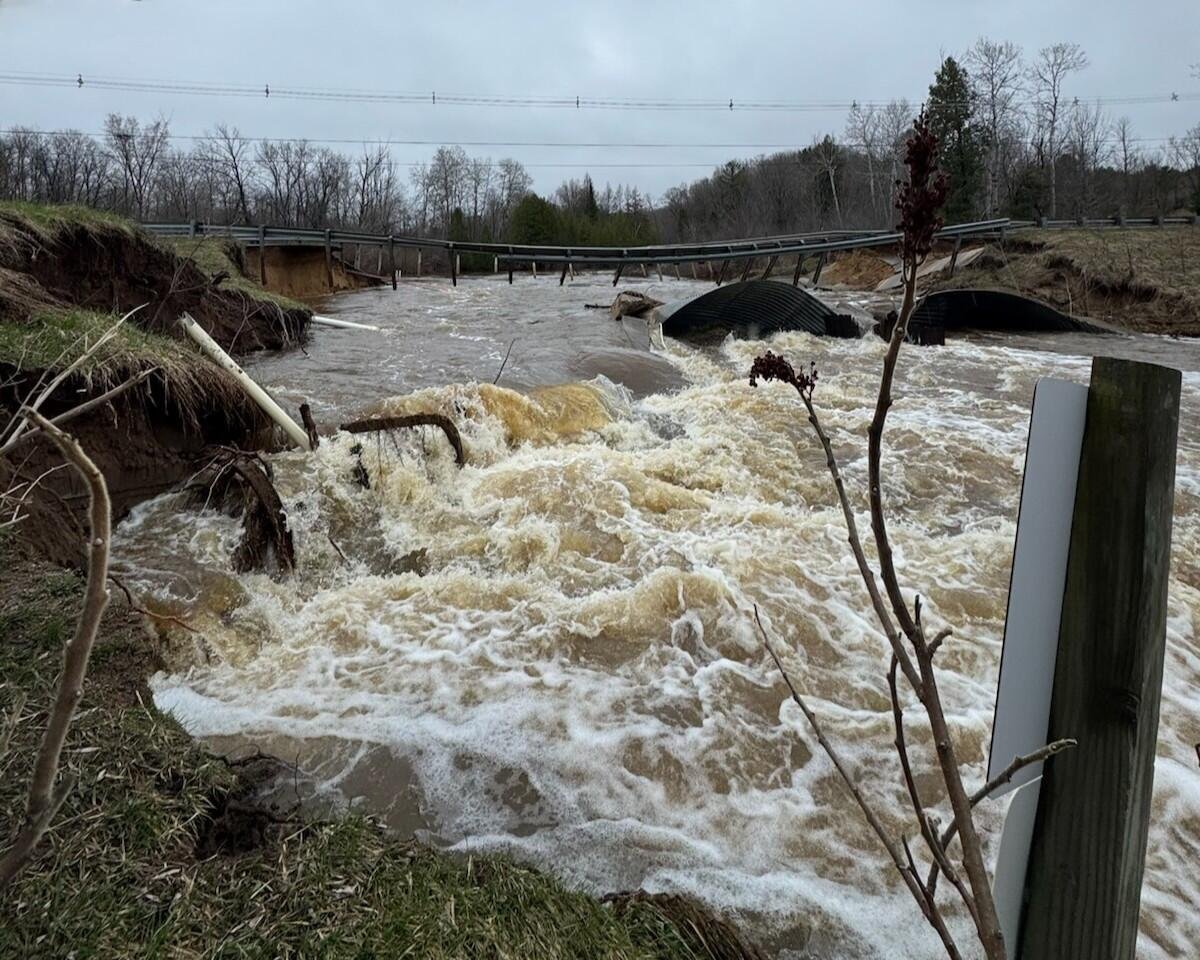
Murky water hides what's underneath it. Water that shallow-looking can be covering a sinkhole where there used to be pavement, a manhole cover popped loose by the pressure, or a downed power line. Nobody can judge the depth from behind the wheel, which is why the rule allows no exceptions: turn around, don't drown.
The CDC is specific about what floodwater carries: downed power lines, human and livestock waste, hazardous household, medical, and industrial waste, physical debris like lumber and rubble, and displaced animals —rodents and snakes included. It isn't "dirty water": it's water contaminated with something different every time.
A family plan is not a pretty document: it is a handful of agreements made today, while everyone is calm, so you do not have to decide with your heart racing and no signal on your phone. It takes one conversation over the table and fits on a sheet of paper stuck to the refrigerator.
This is the section that decides who has a hard time and who has a dangerously hard time. An emergency does not suspend diabetes, high blood pressure, pregnancy, or dependence on an oxygen concentrator: what gets cut off is access to the pharmacy, the clinic, and electricity. Everything that follows needs to be prepared beforehand, because once the emergency hits, there is no more room.
After a flood many homes and shops need mud removed, drying and disinfecting before they can be used again. It is physical work with demand concentrated in the following weeks.
When household budgets tighten, many people repair instead of replacing. Simple plumbing, carpentry, painting and assembly tend to have steady demand.
Once the water goes down, many households cannot replace all their furniture and prefer to save it. Drying, washing and disinfecting mattresses, sofas and carpets is in demand in the following weeks.
When many families are left without a washing machine or clean water, laundry by the kilo becomes a basic service. It can start with household equipment.
Taking debris, ruined furniture and damaged appliances to the collection point set by the city, or moving belongings somewhere dry, is one of the first needs and one few can meet without a vehicle.
When many households are left without a kitchen, without gas or without time, affordable ready meals become a basic neighbourhood service.
Replacing soaked or lost documents, filling in online forms, scanning and printing. Many people cannot do it alone and are glad to pay for help.
These are possibilities, not guarantees. Results depend on location, demand, competition, capital, skills and each person’s circumstances.
Filter the income possibilities by your situation. Results are starting points to research locally, not personalised advice. What can I do?
What people need to buy changes during the cleanup, and it changes fast: in the first days, what sells is what helps get water and mud out, and from the first week on, what helps dry out and restock. This list is a guide: actual demand depends on your area, the level of damage, and what nearby businesses already offer.
It helps to start with one figure to size up what we're talking about: according to the ILO, informality affects nearly half of the employed population of Latin America and the Caribbean, around 47%, with huge differences between countries — under 30% in Uruguay and Chile, over 70% in Bolivia and Peru. For millions of families in the region, "looking for a job" and "starting something on your own" are the same sentence. What follows is not a promise of income: it is a map of what people actually do when a crisis hits, with the requirements and the risks laid out plainly.
An orientation list to complement the information on this page. This is not a shop, and nothing here is a required purchase.
No products have been selected for this section yet.
Guía completa en PDF para imprimir o llevar en el teléfono, con las medidas oficiales antes, durante y después, y las fuentes citadas.
Complete PDF guide to print or carry on your phone, with official measures before, during and after, and cited sources.
Formato para llenar en familia: croquis de rutas, punto de reunión, contacto único fuera de la zona y responsables de cada persona que necesita apoyo.
Lista imprimible para armar y revisar la mochila de emergencia de la familia.
Lista imprimible con las medidas oficiales de Protección Civil para cada etapa, pensada para pegarse en el refrigerador.
Hoja para registrar cada bien afectado, su valor aproximado y la fotografía correspondiente, antes de tirar nada.
Real, published and verifiable cases: each one links to the source where it was documented. No made-up testimonials here.
The October 2015 flood tore a six-meter hole in the back of the store and ruined close to a million dollars in inventory. Michael and Ginger Marsha kept operating from the second floor, which did not flood, rented temporary storage, and kept their seven employees on payroll. With an SBA disaster loan of 735,000 dollars they rebuilt, restocked inventory, and installed storm protections. Within the following year they hit record sales months.
What to learn from this: If part of the location stayed dry, operate from it starting day one. And keeping the team is what lets you reopen fast: rehiring and retraining costs more than covering payroll for a few weeks.
SBA — Administración de Pequeños Negocios (EE. UU.) · 2018-05-14 · Victors over catastrophe: ganadores del Phoenix Award 2018
After the floods of May 2024, a targeted state credit program reached 665 entrepreneurs in 116 municipalities, with an average loan of 74,000 reais. Carina Castro's boutique, in Canoas, closed for 30 days and used 24,000 reais to pay off debts and reorganize her cash flow. Ricardo Leal, in Eldorado do Sul, had all his machinery damaged by the water and received 200,000 reais for working capital and replacement. Of the total, 52.7% used the money to pay off debt and 70% kept their jobs.
What to learn from this: The first use of credit after a disaster isn't growth: it's clearing debt and stabilizing cash flow. Those who try to expand with that money often run out of liquidity within a few months.
CNN Brasil · 2025-10-05 · Pequenos negócios gaúchos se recuperam das enchentes com crédito orientado
Related guides on this site:
Download the checklist and build your family plan today. It takes under an hour and it is what changes the outcome most.
This project is kept alive by donations from our visitors. Your support lets us keep creating practical information, tools, manuals, tutorials and free resources to help people and their families prepare for, respond to and recover from different kinds of crises.
The amount shown is updated manually. We do not process payments: donations are made on the external platforms.