Cleanup and mud removal service after a flood
After a flood many homes and shops need mud removed, drying and disinfecting before they can be used again. It is physical work with demand concentrated in the following weeks.
A hurricane is the only major disaster you can see coming days ahead. That should be an advantage, and often it isn't, because people decide based on category —which only measures wind— when what usually kills is water. Here is how to read the official alerts and what to decide at each stage.
Updated on September 9, 2026
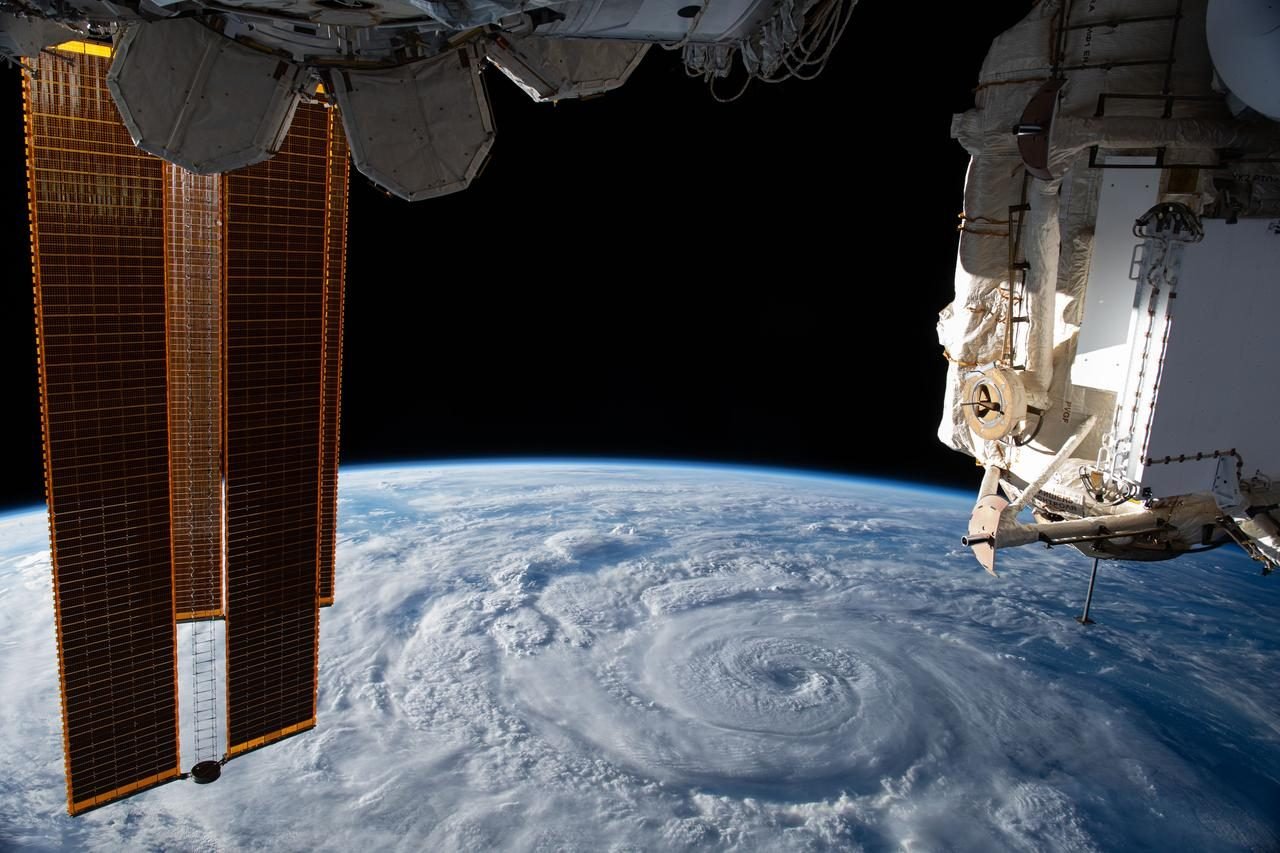
The first thing is to know whether you live in an evacuation zone. The National Weather Service lists this as step one of the family plan: find out from your local emergency management agency now, not once a warning is out. That answer changes everything else.
The two official alerts and what they mean. They are not interchangeable, and the difference is hours of lead time:
The CDC stresses a point that people forget in the rush: wait for authorities to give the all-clear before returning. Going back early means walking into an area with no power, downed lines, no safe drinking water, and emergency crews still working.
The hurricane family plan has one thing the others don't: there is time, and that time gets wasted deciding. These decisions get made in the off-season, not with the forecast cone on the screen.
This is the section that decides who has a hard time and who has a dangerously hard time. An emergency does not suspend diabetes, high blood pressure, pregnancy, or dependence on an oxygen concentrator: what gets cut off is access to the pharmacy, the clinic, and electricity. Everything that follows needs to be prepared beforehand, because once the emergency hits, there is no more room.
After a flood many homes and shops need mud removed, drying and disinfecting before they can be used again. It is physical work with demand concentrated in the following weeks.
When household budgets tighten, many people repair instead of replacing. Simple plumbing, carpentry, painting and assembly tend to have steady demand.
Once the water goes down, many households cannot replace all their furniture and prefer to save it. Drying, washing and disinfecting mattresses, sofas and carpets is in demand in the following weeks.
When many families are left without a washing machine or clean water, laundry by the kilo becomes a basic service. It can start with household equipment.
Taking debris, ruined furniture and damaged appliances to the collection point set by the city, or moving belongings somewhere dry, is one of the first needs and one few can meet without a vehicle.
When many households are left without a kitchen, without gas or without time, affordable ready meals become a basic neighbourhood service.
Replacing soaked or lost documents, filling in online forms, scanning and printing. Many people cannot do it alone and are glad to pay for help.
After high winds, yards, pavements and driveways are blocked. Cutting, sectioning and hauling away is among the first things hired.
When the power is out for days, battery lamps, batteries and phone power banks sell out first. Local resale with a small margin and fast turnover.
These are possibilities, not guarantees. Results depend on location, demand, competition, capital, skills and each person’s circumstances.
Filter the income possibilities by your situation. Results are starting points to research locally, not personalised advice. What can I do?
A hurricane is one of the few disasters that announces itself days in advance, and that splits demand into two distinct markets: the three days before it hits, and the weeks after.
It helps to start with one figure to size up what we're talking about: according to the ILO, informality affects nearly half of the employed population of Latin America and the Caribbean, around 47%, with huge differences between countries — under 30% in Uruguay and Chile, over 70% in Bolivia and Peru. For millions of families in the region, "looking for a job" and "starting something on your own" are the same sentence. What follows is not a promise of income: it is a map of what people actually do when a crisis hits, with the requirements and the risks laid out plainly.
An orientation list to complement the information on this page. This is not a shop, and nothing here is a required purchase.
No products have been selected for this section yet.
Complete PDF guide to print or carry on your phone, with official measures before, during and after, and cited sources.
Formato para llenar en familia: croquis de rutas, punto de reunión, contacto único fuera de la zona y responsables de cada persona que necesita apoyo.
Lista imprimible para armar y revisar la mochila de emergencia de la familia.
Hoja para registrar cada bien afectado, su valor aproximado y la fotografía correspondiente, antes de tirar nada.
Real, published and verifiable cases: each one links to the source where it was documented. No made-up testimonials here.
Hurricane Harvey dropped more than 750 mm of rain in four days and caused close to a million dollars in losses. Instead of discarding the machinery, the Jucker family rescued it and cleaned it, and with an SBA loan of 873,000 dollars replaced equipment, supplies, and staff. They reopened in 17 days and were back to normal operations in six weeks.
What to learn from this: Cleaning and recovering salvageable equipment can cut weeks off the comeback. Before throwing out a wet machine, it's worth having someone who knows how to repair it take a look.
SBA — Administración de Pequeños Negocios (EE. UU.) · 2018-05-14 · Victors over catastrophe: ganadores del Phoenix Award 2018
Hurricane Irma left Stephanie Vitori with about 150,000 dollars in losses. While the area remained closed, she used her food truck's generator to power the restaurant and cooked meals for the cleanup crews, which gave her immediate income. She later rebuilt with an SBA loan of 197,000 dollars.
What to learn from this: A mobile asset — a truck, a generator — can sustain the fixed business. And emergency workers are real customers in the first days, when there's no other customer around.
SBA — Administración de Pequeños Negocios (EE. UU.) · 2020-02-06 · SBA honors 2019 Phoenix Award champions
After Hurricane María, Christine Nieves Rodríguez and Luis Rodríguez Sánchez set up a community kitchen in their neighborhood, organized volunteers and donations, and added wifi, a solar generator, water towers, and health clinics. They fed more than 5,000 people.
What to learn from this: Kitchen, water, power, and connectivity in one spot in the neighborhood is the fastest recovery infrastructure when official aid is slow to arrive.
SBA — Administración de Pequeños Negocios (EE. UU.) · 2020-02-06 · SBA honors 2019 Phoenix Award champions
The Saffir-Simpson scale, category by category, with the exact wind speeds the National Hurricane Center publishes:
Two hurricanes, two lessons that changed how people prepare.
Related guides on this site:
Download the checklist and build your family plan today. It takes under an hour and it is what changes the outcome most.
This project is kept alive by donations from our visitors. Your support lets us keep creating practical information, tools, manuals, tutorials and free resources to help people and their families prepare for, respond to and recover from different kinds of crises.
The amount shown is updated manually. We do not process payments: donations are made on the external platforms.